Hot Coffee

Someone in the caffenol Facebook group asked if there is a faster development process then caffenol, and I referred him to Diafine, a quite fast 2 step developer. (3+3 minutes for most films.) At the same time I thought that this should allbe possible with normal caffenol, as it is Read more…

Wineol – Red Wine developer

Niklas Rühl posted a picture in our Facebook Group of a negative developed in Wineol, an alternate devolper that is made out of Red Wine, Washing Soda and Vitamin C. The whole process and some really nice pictures can be seen on his website. The site is in German,so here is a Read more…

Fomapan 400 in Caffenol-STD – Experiments and Results. And Large Format

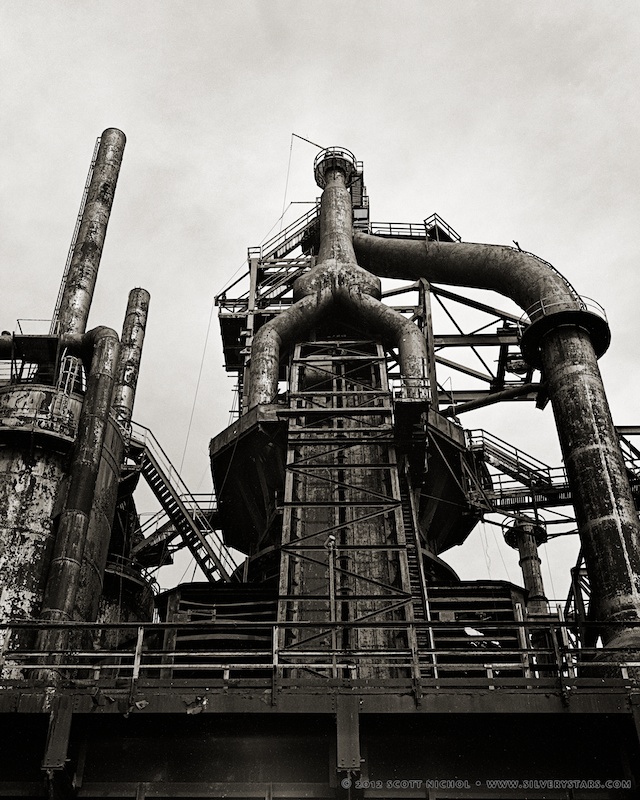
This is an article of fine art figure photographer Scott Nichol from Allentown, PA, USA. You can visit his blog at http://www.silverystars.com/somanystars/. The Original article can be found here. I wanted to experiment with the recipe for a coffee-based film developer commonly called Caffenol. Dirk Essl at caffenol.org does an excellent job of keeping track of development times for Read more…

Pictures from the sea (literally, as far as fixer concerns)

Today I will post some pictures, that show how much fun experimenting with Caffenol can be. Igor says: “These pictures were taken about 3 years ago and were developed without any professional equipment in a pan. we were sitting in a dark bathroom stiring the film in caffenol with a spoon:) that Read more…

The Delta Recipe Goes Standard.

We have received several comments, that teaspoon measuring is not the preferred way in mixing up your caffenol brew, as it is very inaccurate and ‘1 teaspoon’ can mean from 1 to 5 grams, depending how big your teaspoon is. Reinhold from caffenol.blogspot.com has developed some very good base recipes, using only Read more…

Action!

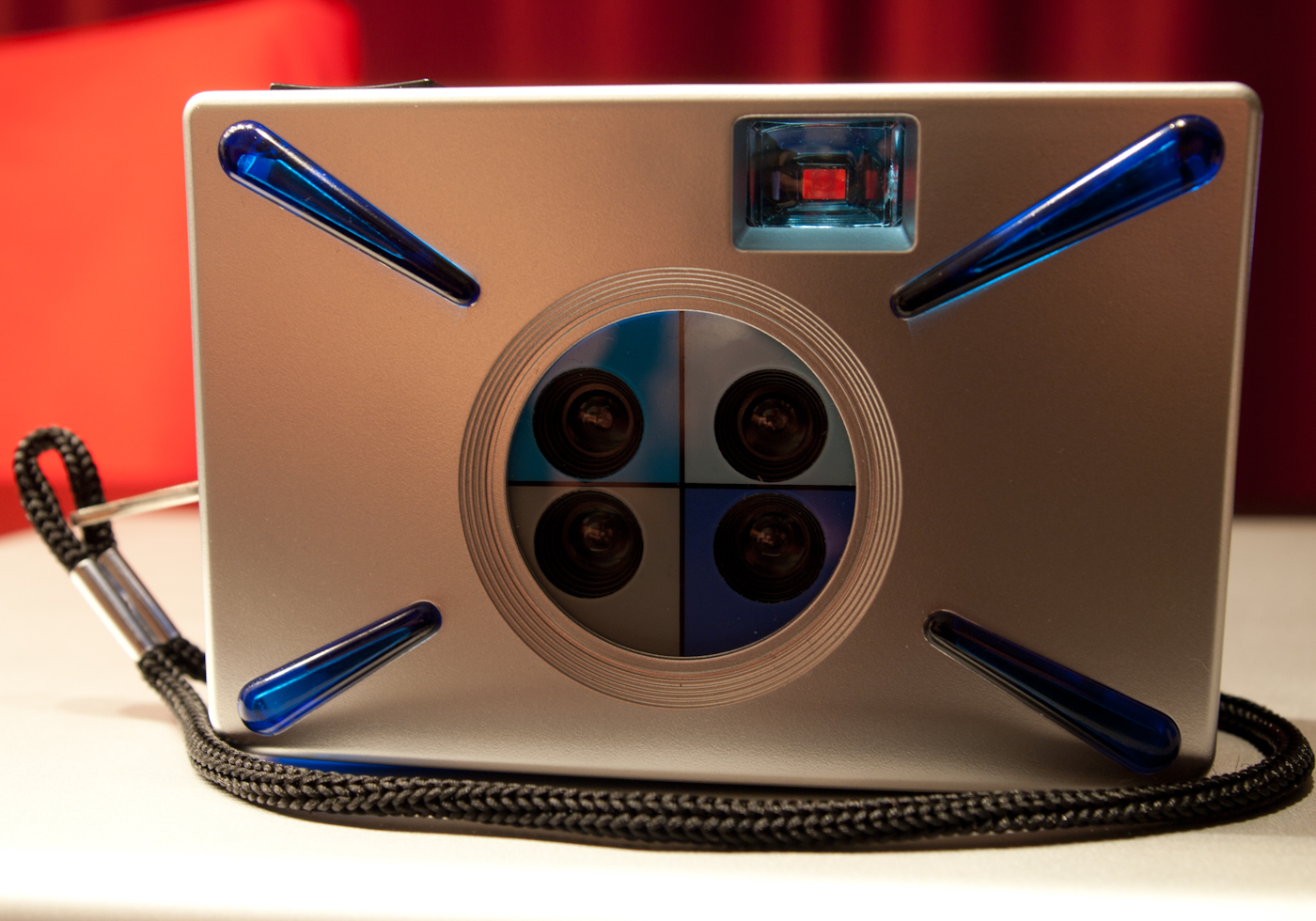
I cleaned up my camera cabinet yesterday and stumbled upon my Action sampler camera where I remembered I shot some film with already. My Action sampler is a no name model, but is better than the one from Lomography in so many ways: It has a proper viewfinder, it is not as Read more…

Density testprint

Density

f you read a bit about caffenol development or development in general, you will quickly learn phrases like “my negatives came out very dense” or “negatives where thin, but scanned fine”. So what does all that mean?

If you develop color films in caffenol, most likely you will get dense negatives (dense meaning you cannot see through the film in this case), positive films and High ISO films will be denser then low ISO films. These negatives are not very good to produce prints on paper, as contrast is quite low and they have an orange mask. High ISO B&W Films will most likely come out very thin and will look like underdeveloped negatives. Both types will scan fine and with a small amount of Post Processing (Level adjustments) they will look good on a screen.

Caffeafine (Using Caffenol-C as 2 step developer)

A friend of mine recently told me about Diafine, a quite famous dual solution developer that is said to push mid tones by 1 stop. Diafine is a compensating developer, meaning you put in Solution A, let the film rest for 4 minutes with maybe 1 slow agitation per minute, pour out Solution A (both solutions can be reused) and then put in Solution B and let it develop further 4 minutes with agitation that is specific to the used film.

I was amazed about the tonality that the developer brings, and because I like experimenting, I thought why not try out something like that with Caffenol. Of course I knew that it will most probably not push the mids, and I cannot reuse the Caffenol mix, but it was fun for the experiment.A friend of mine recently told me about Diafine, a quite famous dual solution developer that is said to push mid tones by 1 stop. Diafine is a compensating developer, meaning you put in Solution A, let the film rest for 4 minutes with maybe 1 slow agitation per minute, pour out Solution A (both solutions can be reused) and then put in Solution B and let it develop further 4 minutes with agitation that is specific to the used film.

I was amazed about the tonality that the developer brings, and because I like experimenting, I thought why not try out something like that with Caffenol. Of course I knew that it will most probably not push the mids, and I cannot reuse the Caffenol mix, but it was fun for the experiment.

ISO 50

hen I started analogue photography, I wanted to shoot on grainy high speed films primarily, preferable at night. So far I have not managed to do a grainy night shooting, but did buy a lot of different films just to see, how they look in caffenol. So this week I tried Ilford Pan F 50, a panchromatic ISO 50 film. And as I currently have an Olympus OM4-Ti, it was just perfect to try out the spot metering features of it.