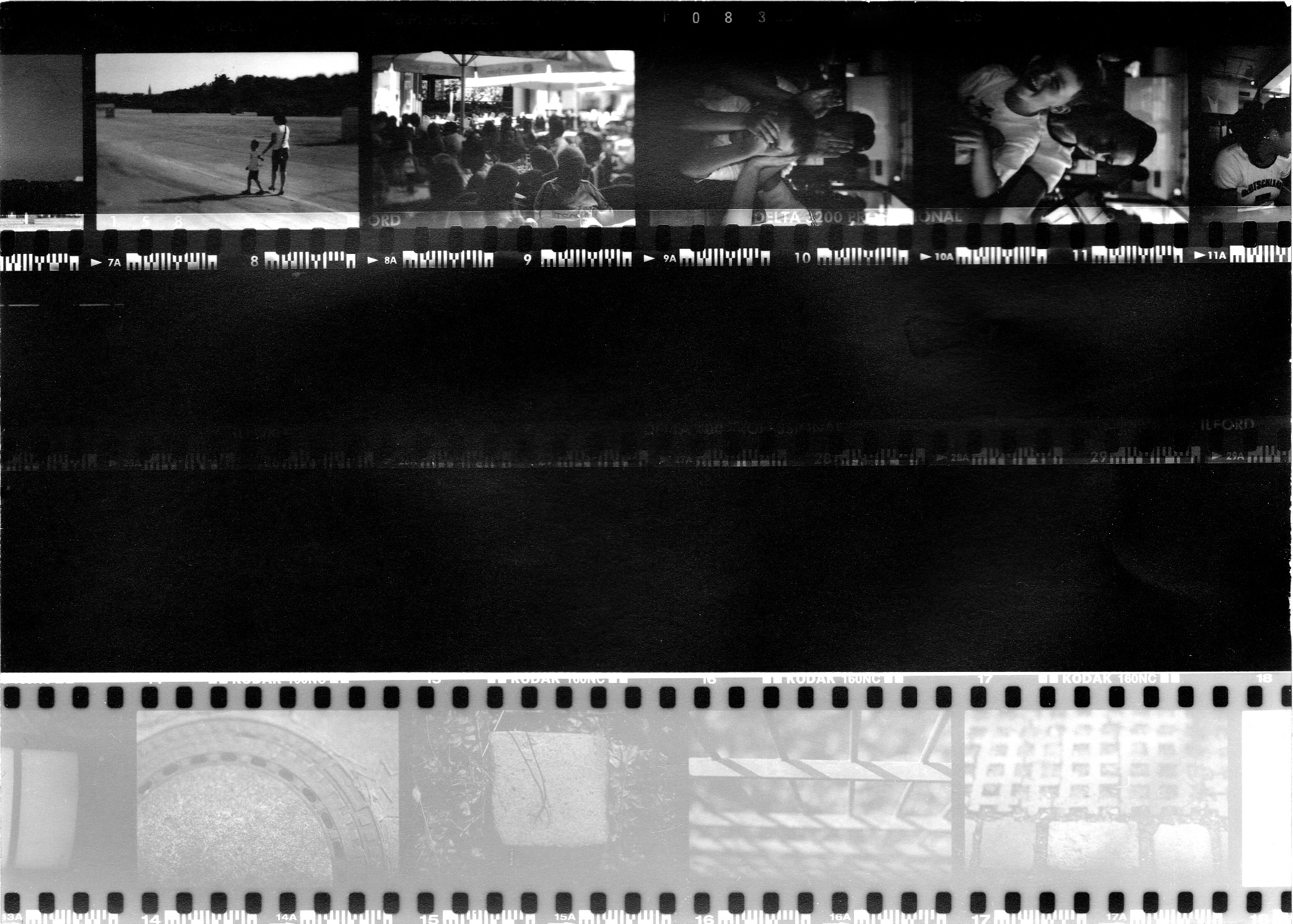
The Delta Recipe Goes Standard.

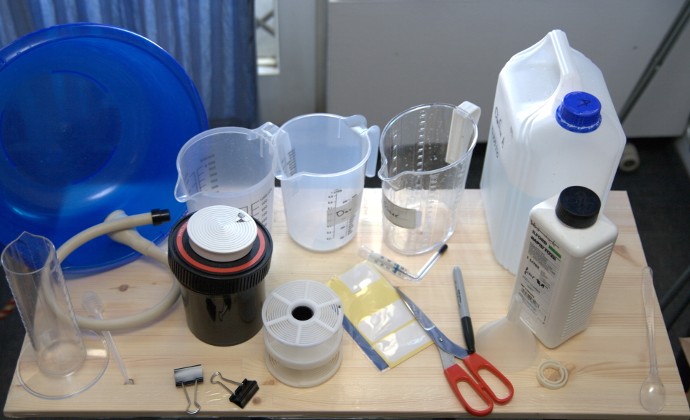
We have received several comments, that teaspoon measuring is not the preferred way in mixing up your caffenol brew, as it is very inaccurate and ‘1 teaspoon’ can mean from 1 to 5 grams, depending how big your teaspoon is. Reinhold from caffenol.blogspot.com has developed some very good base recipes, using only Read more…
Matchbox Pinhole & Caffenol

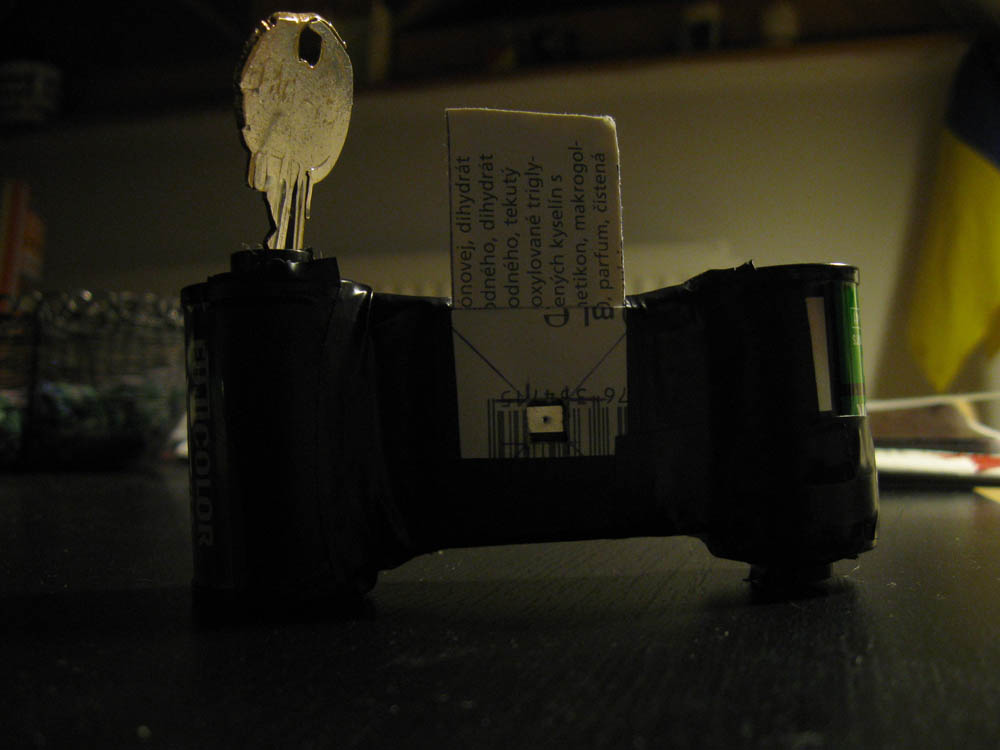
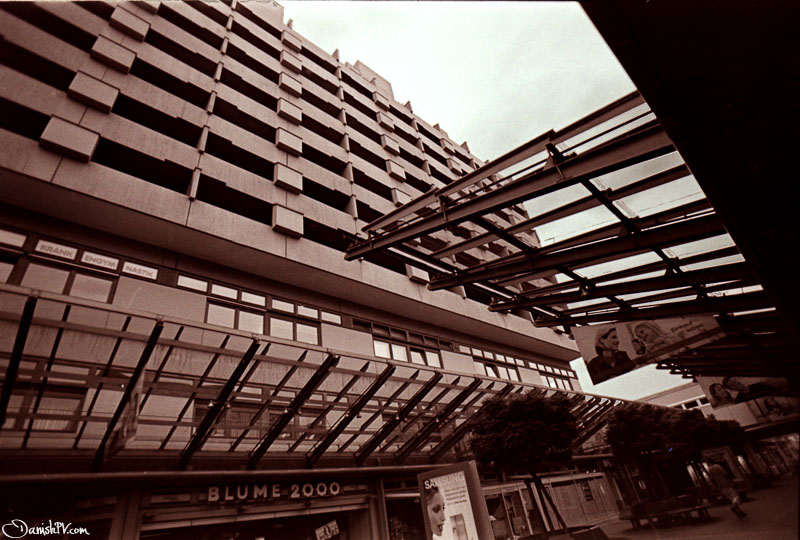
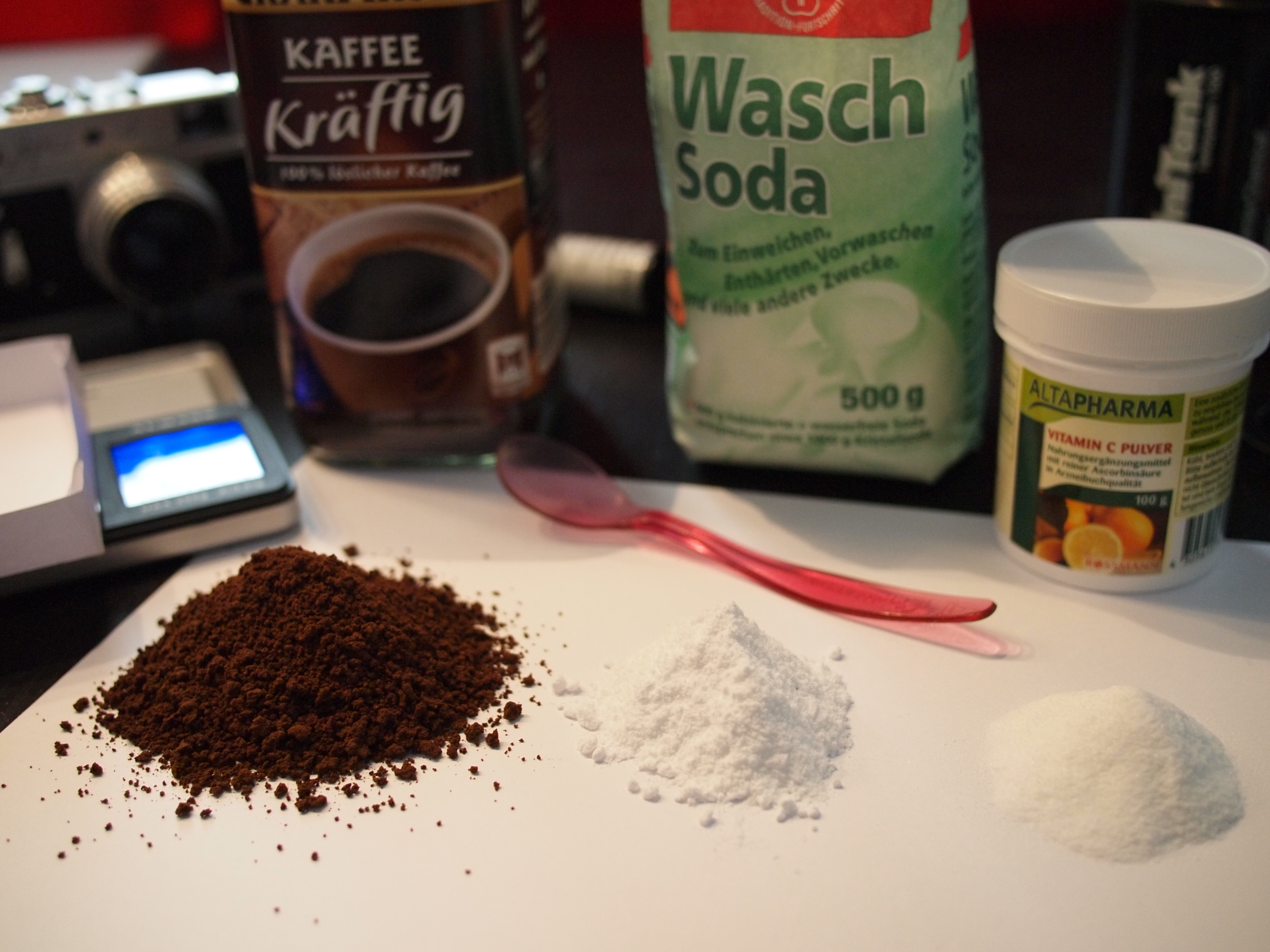
Caffenol Reader and Lomography member Hana (http://www.lomography.com/homes/hilarion) sent us her results of a matchbox pinhole camera. Instructions how to build one can be found at http://www.matchboxpinhole.com. Hana is from Slovakia and uses vitamin c from DM drogeri, an unknown coffee brand and “kalcinovaná sóda na pranie”, a local soda product. Below Read more…

Happy New Year!

It’s been a busy year for caffenol, and 2011 will not calm down, that’s for sure. I would like to take this opportunity to thank all of you for your support, your comments and critics about this blog. I wish you and your families a very happy year 2011. I didn’t Read more…
caffenomatography

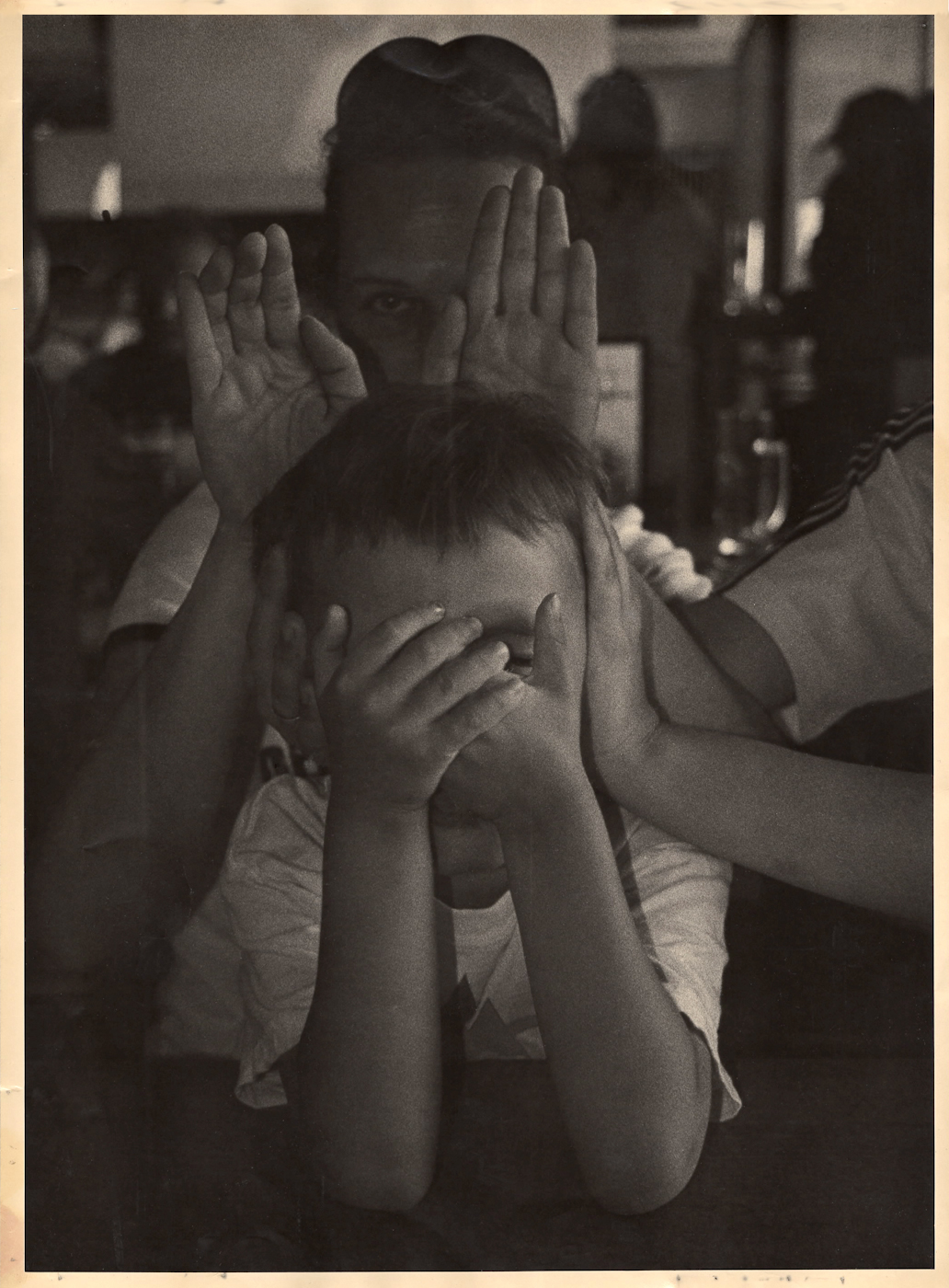
If you are new to film developing, or just new to caffenol developing you can find plenty of ressources on the internet and read your way through. But sometimes it’s nice to lean back and watch something beautiful, and while watching it, learn from it. When I started with caffenol, Read more…

Film, etc.

Today, I proudly present a blog of a friend of mine who calls himself “a Linux sysadmin at day and photographer at night (and vice-versa).” The address is www.filmetc.org He is indeed a very talented photographer and if Mathias does something, he does it right. His blog is all about Read more…
Action!

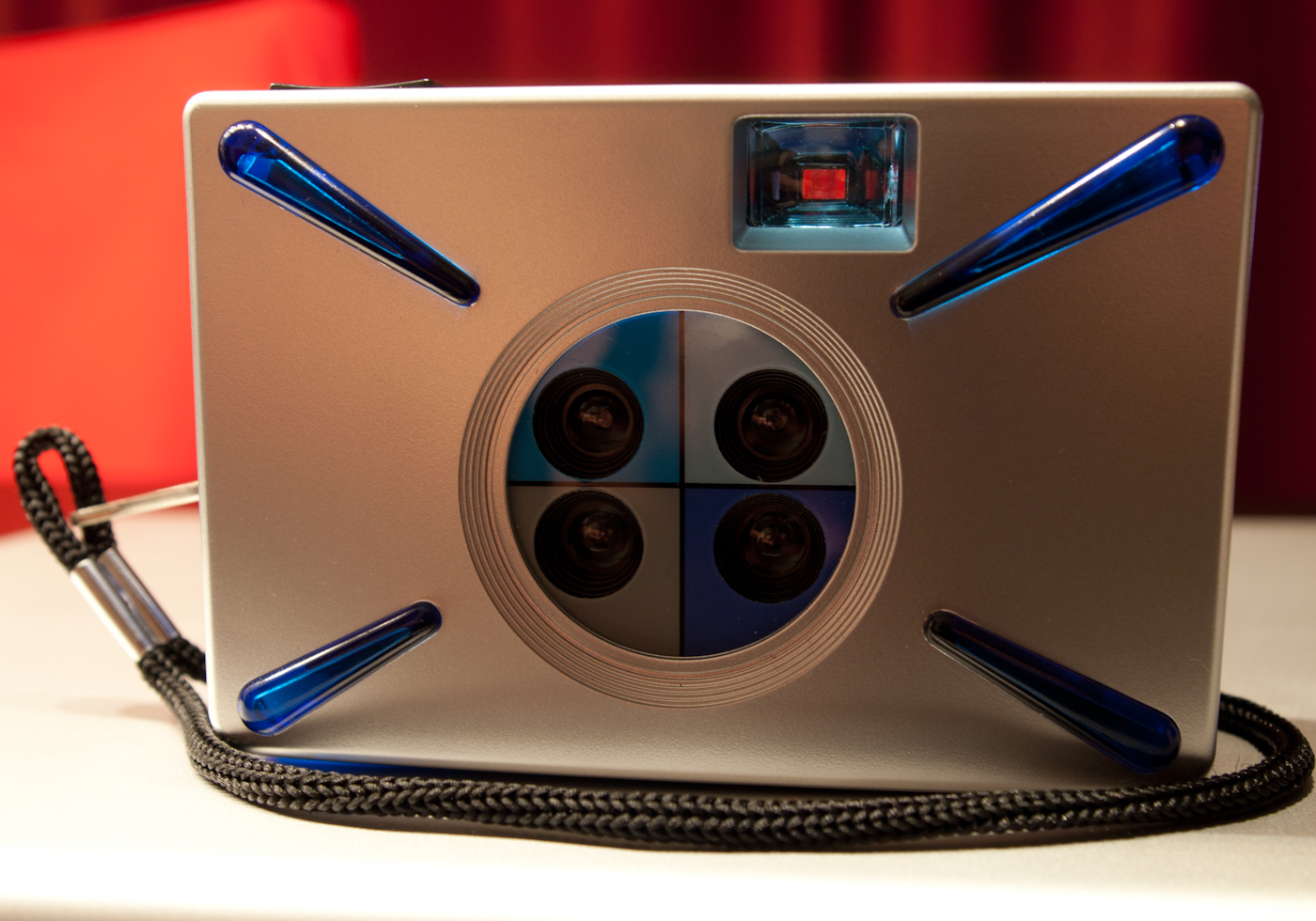
I cleaned up my camera cabinet yesterday and stumbled upon my Action sampler camera where I remembered I shot some film with already. My Action sampler is a no name model, but is better than the one from Lomography in so many ways: It has a proper viewfinder, it is not as Read more…

Scan VS print

Yes, the title of this post looks confusing, because of course scanning is an input process and printing is an output process. Ad it’s even more confusing, as the print needs to be scanned as well… But first things first. My last development of ISO 3200 Film was quite successful and I Read more…

Density testprint

Density

f you read a bit about caffenol development or development in general, you will quickly learn phrases like “my negatives came out very dense” or “negatives where thin, but scanned fine”. So what does all that mean?

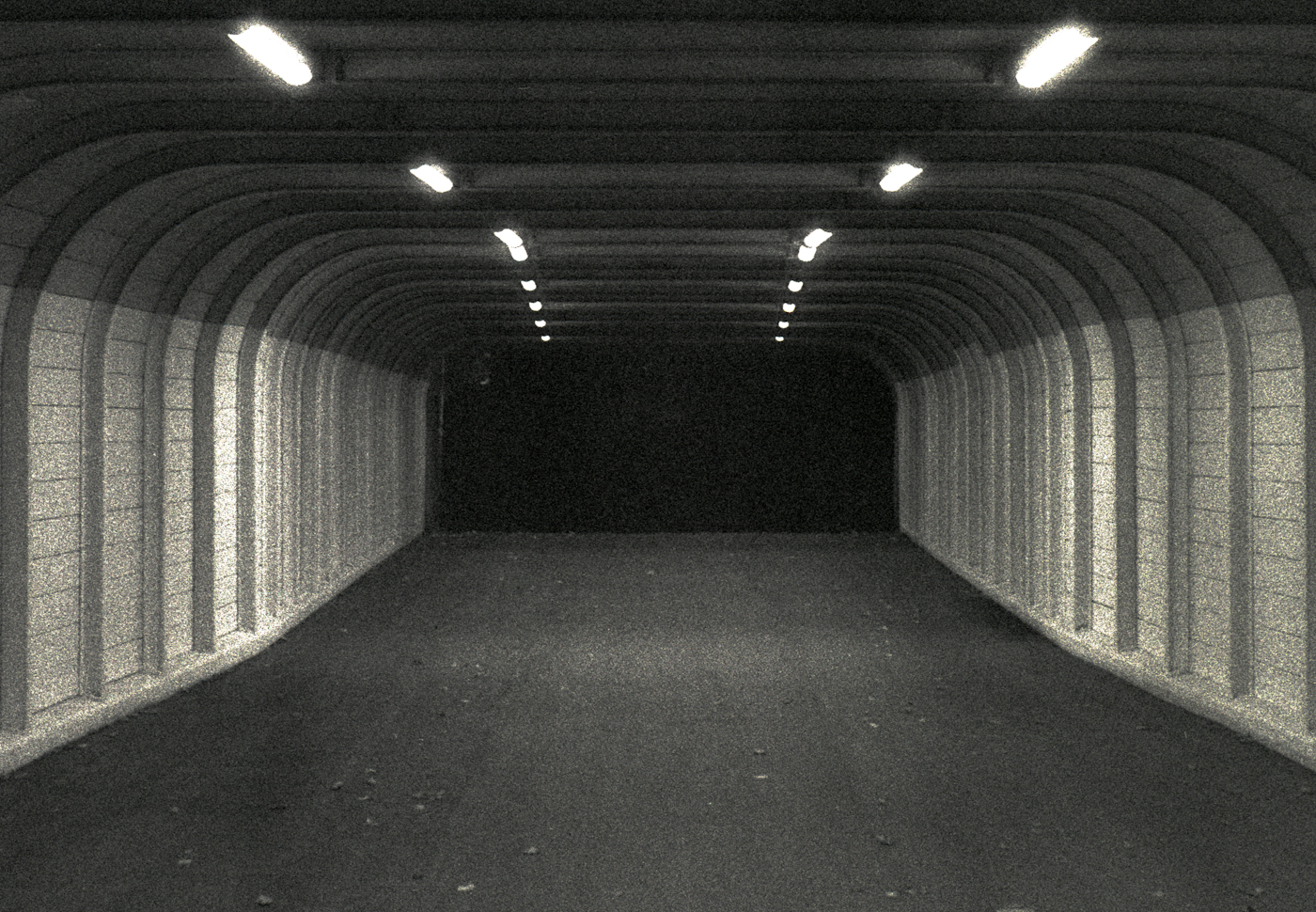
If you develop color films in caffenol, most likely you will get dense negatives (dense meaning you cannot see through the film in this case), positive films and High ISO films will be denser then low ISO films. These negatives are not very good to produce prints on paper, as contrast is quite low and they have an orange mask. High ISO B&W Films will most likely come out very thin and will look like underdeveloped negatives. Both types will scan fine and with a small amount of Post Processing (Level adjustments) they will look good on a screen.

Caffeafine (Using Caffenol-C as 2 step developer)

A friend of mine recently told me about Diafine, a quite famous dual solution developer that is said to push mid tones by 1 stop. Diafine is a compensating developer, meaning you put in Solution A, let the film rest for 4 minutes with maybe 1 slow agitation per minute, pour out Solution A (both solutions can be reused) and then put in Solution B and let it develop further 4 minutes with agitation that is specific to the used film.

I was amazed about the tonality that the developer brings, and because I like experimenting, I thought why not try out something like that with Caffenol. Of course I knew that it will most probably not push the mids, and I cannot reuse the Caffenol mix, but it was fun for the experiment.A friend of mine recently told me about Diafine, a quite famous dual solution developer that is said to push mid tones by 1 stop. Diafine is a compensating developer, meaning you put in Solution A, let the film rest for 4 minutes with maybe 1 slow agitation per minute, pour out Solution A (both solutions can be reused) and then put in Solution B and let it develop further 4 minutes with agitation that is specific to the used film.

I was amazed about the tonality that the developer brings, and because I like experimenting, I thought why not try out something like that with Caffenol. Of course I knew that it will most probably not push the mids, and I cannot reuse the Caffenol mix, but it was fun for the experiment.